
Category: Uncategorized

Maintaining excellent oral health is vital for a bright smile and overall well-being. Cavities, known as dental caries, are a standard oral health issue that affects people of every age. In this blog, we will delve into the causes of cavities, their potential dangers, and, most importantly, explore effective ways to stop cavities from growing. We will also discuss natural remedies that can help heal cavities at home. So, let’s dive in and uncover the secrets to a healthier smile!
Causes of Dental Cavities: Bacteria, Diet & Hygiene
- Bacterial Action: Streptococcus mutans, a common bacterium in the mouth, feeds on carbohydrates and produces acids. These acids, along with food particles, form plaque, which erodes tooth enamel.
- Carbohydrate Consumption: Consuming sugary and starchy foods provides a food source for the bacteria in the mouth, contributing to cavity formation.
- Poor Oral Hygiene: Inadequate brushing and flossing allow plaque to accumulate, increasing the risk of cavities.
- Dry Mouth: Reduced saliva flow due to certain medications or medical conditions can lead to a higher risk of cavities.
Dangers Caused by Cavity:
- Tooth Sensitivity: Early-stage cavities can cause tooth sensitivity, especially to hot, cold, or sugary foods and drinks.
- Toothache: As cavities progress, they can reach the dentin and pulp, leading to severe toothache.
- Abscess Formation: Untreated cavities can result in abscesses, which are pouches of pus caused by bacterial infection.
- Tooth Loss: If left untreated, cavities can result in tooth loss, as the decay can destroy the tooth structure and compromise its stability.
- Gum Disease: Cavities can contribute to gum disease, leading to gum inflammation, bleeding, and potential tooth loss.
How to Stop Cavity from Growing:
- Brushing Twice a Day: Brush your teeth completely with fluoride toothpaste twice a day, ensuring you reach all surfaces, including the back molars.
- Daily Flossing: Flossing helps eliminate plaque and food particles from between the teeth and on the gumline.
- Regular Dental Check-ups: Schedule routine dental visits for professional cleanings, examinations, and early detection of cavities.
- Dental Sealants: Consider getting dental sealants in San Antonio, a protective coating applied to the chewing surfaces of teeth to prevent cavity formation.
- Limit Sugary and Acidic Foods: Reduce your consumption of excessively sugary and acidic foods and drinks, as they contribute to plaque formation and enamel erosion.
- Fluoride Treatment: Fluoride, either through fluoridated water or professional treatments, helps strengthen enamel and prevent cavities.
- Balanced Diet: Eat a well-mixed diet rich in fruits, vegetables, and calcium-rich foods to support overall oral health.
- Consider Dental Fillings: If a cavity is detected, seeking prompt treatment with dental fillings can prevent further decay and restore the tooth’s structure. Sonrisa Dental offers high-quality dental fillings in San Antonio to ensure optimal oral health for its patients.
Can We Heal Cavities Naturally at Home?
While it’s important to note that cavities cannot be completely reversed, certain natural remedies may help in the early stages. Here are a few home-based approaches to complement professional dental care:
Oil Pulling:
Practicing oil pulling with coconut oil for around 15-20 minutes daily is believed to reduce harmful bacteria in the mouth, promoting oral health and potentially aiding in cavity prevention.
Fluoride-Free Remineralizing Toothpaste:
Using a fluoride-free remineralizing toothpaste, which contains natural ingredients like calcium, phosphate, and hydroxyapatite, may help strengthen enamel and support the natural healing process of early cavities.
A Healthy Diet:
Consuming foods abundant in vitamins A, D, E, and K, and minerals such as calcium and phosphorus, can contribute to overall oral health. These nutrients are vital for maintaining strong teeth and promoting remineralization.
In conclusion, understanding how to stop cavities from growing and taking proactive steps to prevent cavities and halt their growth is vital for maintaining optimal oral health. By adopting good oral hygiene practices, seeking regular dental check-ups, and incorporating natural remedies as supportive measures, you can significantly minimize the risk of cavities. Remember, your oral health is worth investing in, so prioritize it for a radiant smile and a healthier you!
Remember, in case of any dental emergency in San Antonio or if you require dental fillings or dental sealants, you can rely on the expertise of Sonrisa Dental, the trusted name in San Antonio. Don’t compromise on your dental health, and let the professionals at Sonrisa Dental guide you on your journey to a cavity-free smile!

Invisalign treatment involves using a series of custom-made, clear, virtually invisible aligners.
The treatment begins with a consultation where a dentist or orthodontist determines if Invisalign in San Antonio suits your needs. A treatment plan is created if deemed appropriate, and digital impressions or physical molds of the teeth are taken.
Can You Drink With Invisalign?
Yes, you can drink with Invisalign, but it is generally recommended to remove the aligners before consuming any beverages other than water. Drinking with Invisalign aligners in place can have potential drawbacks and may affect the effectiveness of the treatment.
When it comes to water, you can safely drink it while wearing Invisalign aligners. However, it is important to note that sugary or carbonated beverages can cause damage to both your teeth and the aligners. The aligners create a snug fit around your teeth, and drinking sugary or acidic drinks with them increases the risk of cavities, enamel erosion, and discoloration.
Additionally, beverages can get trapped between the aligners and your teeth, leading to bacterial growth and potential dental issues. Removing the aligners before consuming any beverage other than water is best to maintain good oral hygiene and prevent staining or damage.
Always follow the guidance provided by your dentist or orthodontist regarding drinking with Invisalign. They will provide specific instructions based on your treatment plan.
Beverages Compatible with Invisalign
While wearing Invisalign, removing the aligners before consuming beverages other than water is generally recommended. However, certain beverages are considered more compatible with Invisalign aligners:
- Water: Water is the best and safest option to drink while wearing Invisalign. It doesn’t contain sugars or acids that can damage the aligners or increase the risk of tooth decay.
- Clear or plain beverages: Clear tea, herbal tea, or clear broths can be consumed while wearing Invisalign. These beverages generally do not contain coloring agents or sugars that can stain or damage the aligners.
- Unsweetened and non-acidic drinks: If you prefer flavored beverages, choose unsweetened and non-acidic options like unsweetened herbal infusions or plain coffee without added sugars or creams.
Although these beverages are compatible, removing the aligners before consuming them is still advisable. Removing the aligners helps to prevent staining, minimize the risk of damage to the aligners, and maintain good oral hygiene.
Beverages to Avoid with Invisalign
When wearing Invisalign, it is important to avoid certain beverages as they can stain the aligners, promote bacterial growth, or cause damage. Here are some beverages to avoid while wearing Invisalign:
- Sugary drinks: Beverages high in sugar should be avoided. This is because they can promote the growth of harmful bacteria, leading to cavities and potential damage to the aligners.
- Acidic drinks: Acidic beverages like citrus juices, sports drinks, and carbonated sodas can erode tooth enamel and weaken the aligners. This can compromise the effectiveness of the treatment and increase the risk of cavities.
- Colored or staining drinks: Drinks with intense colors, such as red wine, coffee, tea, and dark-colored sodas, can stain the aligners over time. Staining can make the aligners more noticeable and affect their aesthetic appeal.
- Alcoholic beverages: Alcoholic drinks can cause dry mouth, which reduces saliva production and increases the risk of oral health problems. Additionally, some alcoholic beverages may contain sugars or acids that can damage the aligners.
Removing the aligners before consuming any beverage other than water is generally recommended to minimize the risk of staining, damage, and oral health issues. If you choose to consume these beverages, make sure to thoroughly clean your teeth and aligners before reinserting them.
How to Care For Your Clear Aligners
Proper care and maintenance of clear aligners are crucial for keeping them clean, hygienic, and effective throughout your orthodontic treatment. It is vital to clean your aligners with a soft toothbrush to remove plaque or residue. Avoid using toothpaste or harsh chemicals, as they can damage the aligners.
Remember to keep your aligners in a designated case to prevent loss or damage. Visit a dentist’s office in San Antonio for check-ups and any specific care instructions they provide to ensure the best results from your clear aligners.
Conclusion
While it is possible to drink with Invisalign, it is generally recommended to remove the aligners before consuming any beverages other than water. Drinking with Invisalign aligners in place can lead to staining, increased treatment duration, and the risk of loss or damage. Proper oral hygiene and aligner care are essential for a successful Invisalign journey. Visit Sonrisa Dental for more information about Invisalign and what you can expect.

A bright and confident smile is a powerful tool in today’s world. However, many individuals may feel self-conscious about their dental fillings, especially if they are discolored. Fortunately, several effective methods are available for making the stained fillings less visible and restoring your smile’s natural beauty.
Understanding Fillings and Teeth Whitening
Teeth fillings in San Antonio are a common dental treatment used to repair damaged or decayed teeth. They are made of composite resin, porcelain, silver amalgam, or gold.
The dentist will remove the damaged part and fill the space with the filling material to restore function and prevent further decay or damage.
Teeth whitening is the removal of stains to improve their appearance. It can be done in a dentist’s office or with at-home kits that use bleaching agents.
Teeth whitening can treat various types of tooth stains, such as those caused by smoking, aging, or drinking dark-colored beverages like coffee, tea, and red wine. However, teeth whitening is ineffective for all types of tooth discoloration, such as those caused by certain medications or trauma to the tooth.
Teeth whitening products do not have any effect on dental fillings. The color of dental fillings is permanent and cannot be lightened or changed with teeth whitening procedures. However, a few dental procedures like dental bonding, veneers, or teeth-whitening products can restore the overall appearance and make the fillings less noticeable.
It’s important to consult to learn how to whiten fillings on front teeth, as improper techniques can damage the filling material or lead to sensitivity.
Whitening Fillings on Front Teeth: Methods and Techniques
While teeth fillings are durable, they can become discolored over time and affect the appearance of your smile. Fortunately, some ways methods whiten teeth fillings.
- Dental Bonding
Dental bonding involves the application of resin material to the teeth to change their appearance. The bonding material can cover the dental fillings and match your teeth. The procedure is painless, non-invasive, and can be completed in a single office visit. But, take note that bonding material is not durable and may need to be replaced over time.
- Veneers
Veneers are applied to the enamel to improve their appearance. They can be used to cover the dental fillings and match the color of the surrounding teeth. Veneers are a more invasive option than bonding and typically require two office visits. However, they can last longer and provide a more natural-looking result.
- In-office Teeth Whitening
In-office teeth whitening in San Antonio involves the use of bleach applied to the teeth. This technique can whiten teeth and make the fillings less noticeable. It is performed at the dental office and can provide quick and effective results.
Maintaining Oral Hygiene and Preventing Discoloration
Maintaining good dental hygiene is vital for keeping your teeth and dental fillings healthy and discolored-free.
- Brush with fluoride toothpaste to remove plaque and prevent decay. Use a toothbrush with soft bristles and ensure to brush the teeth around the fillings to prevent discoloration.
- Floss between the teeth and around the fillings. Be gentle when flossing around the fillings to avoid dislodging or damaging them.
- Use an alcohol-free antiseptic mouthwash to avoid drying out your mouth and causing discoloration on your fillings.
- Avoid tobacco Smoking or using tobacco products can cause your teeth and dental fillings to become discolored. Smoking or avoiding tobacco can help keep your teeth and fillings healthy and white.
- Regular dental cleanings and check-ups are crucial for maintaining good oral hygiene and preventing discoloration on your dental fillings. Your dentist removes plaque buildup that can cause discoloration and check the condition of your fillings.
Conclusion
Having white and healthy teeth fillings can significantly enhance your confidence and overall appearance. While there are various methods to whiten teeth fillings, it’s crucial to consult your dentist before attempting any of these methods to avoid causing harm to your teeth. Visit Sonrisa Dental for more information about teeth fillings and how to maintain them.
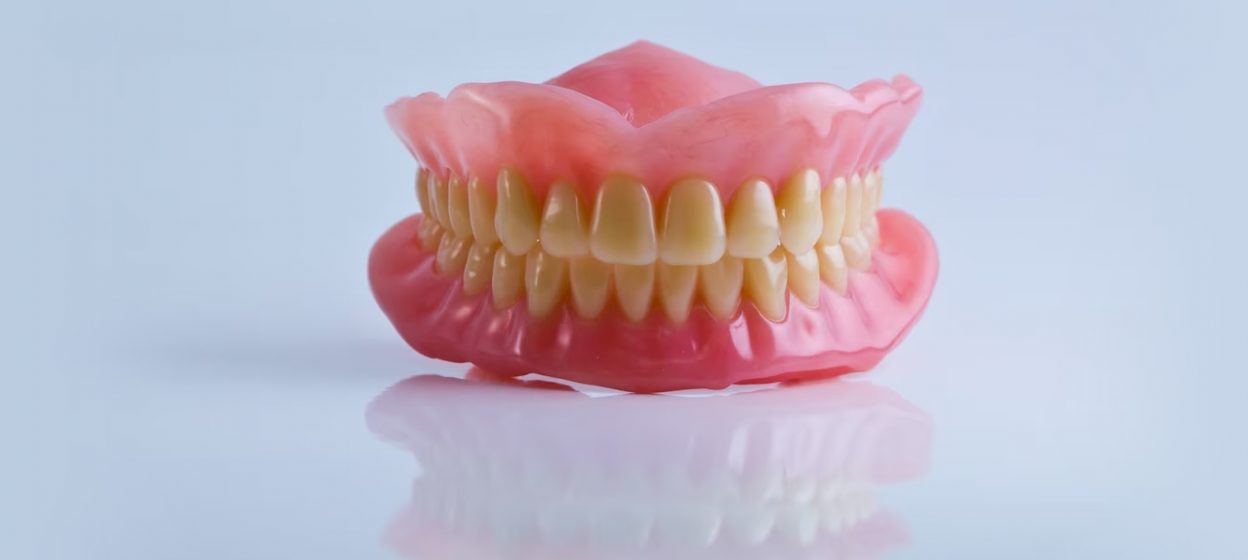
You confront many changes when you have teeth pulled and dentures put in simultaneously, which you never thought of experiencing. Your biggest concern is eating foods and wanting to know what to eat after getting your teeth extracted.
If you undergo tooth extraction in San Antonio and request dentures be put in immediately, you care for your aesthetic appearance because the replacement teeth help restore your smile. However, what about your tummy, which also needs nourishment to keep you healthy? If you don’t have answers to the question, we suggest you continue reading this article, where we explore these concerns and provide advice on dealing with them in the aftermath of tooth extraction.
Tooth Extractions Explained
Tooth extraction is the procedure of removing a natural tooth entirely from its socket. The San Antonio dentist performs the process using nonsurgical methods or even surgery if required. Whatever the case, the void in your mouth has roots, and a blood clot must form. The blood clot is essential for healing correctly because it acts as a framework for developing new tissue that eventually covers the opening and allows you to partly fill the void left by the missing tooth.
Eating after a Tooth Extraction
Eating foods after getting a tooth removed is not challenging as long as you care for the tooth socket. You can have bland and easy-to-chew foods containing nutrition to sustain you and promote healing. You can cut foods into small pieces, making them comfortable for chewing. However, you must avoid hot or cold foods soon after tooth removal.
After removing your tooth, you can consider having soft foods favoring versions like mashed potatoes, scrambled eggs, smoothies, cooked cereal, ripe bananas, yogurt, applesauce, et cetera.
You must exercise caution not to have foods near the extracted tooth for fear of dislodging the blood clot or letting food particles remain trapped in the socket. The restrictions stay with you for about 48 hours because the blood clot forms in the preceding time.
Fluids to Have or Avoid After Tooth Extractions
Consider having lukewarm liquids instead of hot beverages after getting a tooth removed. In addition, you must avoid coffee and alcohol because they can delay your healing. You must exercise caution not to have any beverages harmful to the tooth socket to prevent complications that might need additional treatments from the dentist in San Antonio. Furthermore, when drinking beverages, you must avoid using straws because the suction will cause pain and result in blood clot dislodging. Therefore while you can have juices at room temperature or milkshakes, you must avoid coffee and alcohol to prevent complications.
Foods to Eat After Having Teeth Pulled and Dentures Put in
After having your tooth extracted and acquiring dentures in San Antonio, you confront another challenge thinking about what to eat after the dentures are put in by the professional. However, the answer to your question is straightforward. You must continue having a list of foods mentioned above that you had soon after tooth extraction because your mouth remains tender and in recovery mode over an extended area. Whether you had one tooth or multiple teeth pulled and replaced with dentures, you must stick to the soft foods suggested after your mouth becomes accustomed to the dental appliances.
If immediate dentures are placed after tooth extraction, you may tolerate more foods because the original covers and protects the extraction site. However, you must exercise caution until the tooth removal site has healed and your gums no longer feel tender by utilizing the below-mentioned steps to adjust eating with your dentures.
Tips for Adjusting to Eating with Dentures
Adjusting to eating with dentures is another challenge you will confront when you have your missing tooth replaced immediately with these dental prosthetics. Therefore, you must start slowly, chew evenly on both sides of your mouth, and avoid hot liquids. Cutting your food into smaller pieces helps to chew without confronting challenges and makes your job easier because you don’t exert pressure on your gums when they are trying to adjust.
It helps to remain mindful of tough and sticky foods and expect some soreness until your body becomes accustomed to the dental appliance. Using the tips suggested and with some patience, you will likely eat normally in a few weeks. Learning to eat with dentures is not straightforward, but it beats the alternative of living with missing teeth, making it essential to replace your extracted tooth immediately after the procedure.
If you must have a tooth or two extracted and want to replace them with dentures Sonrisa Dental, P.A. performs the extractions and provides immediate dentures to satisfy your aesthetic goals. You also receive instructions on the foods you can eat after getting dentures put in soon after tooth removal. Visit them to achieve your goal of satisfying your aesthetic needs and nourishment after tooth removal and replacement with dentures.

What happens when a dental emergency such as a severely broken tooth or one knocked out of your mouth affects you? You may wonder how to ensure your smile is not impacted, or you suffer from additional dental complications. You may not think getting help from the nearby emergency dentist is essential, believing you can delay the matter until you can see your regular dentist.
When you suffer from dental emergencies as described, you must get prompt and effective dental care from any dentist nearby offering emergency services. The key to preserving a knocked-out tooth or extracting a severely impacted tooth helps prevent additional complications or expenditure from receiving intensive dental treatments. Therefore whenever you are affected by dental emergencies, you must consider visiting an emergency dentist nearby for help instead of delaying treatment until you can get to your regular dentist.
In many cases, receiving treatment immediately for dental emergencies helped alleviate pain and potentially preserve your natural teeth. Unfortunately, extractions become necessary in some if your teeth are severely impacted or infected to safeguard your dental health and overall well-being.
Why Do You Neglect Visits to an Emergency Dentist?
Emergency dentists probably encourage you to avoid visiting them because you perceive they will charge higher prices for any services they offer to aggravate your anxiety with the discomfort in your mouth. However, you must realize emergency dentists work beyond office hours and, often, patients immediately upon arrival at their practice. Emergency dentists do not make you wait in a queue or inquire about dental appointments when you visit them. Instead, they prioritize your treatment to ensure they alleviate pain to help you get a good night’s rest when other dentists are not available to provide services.
Can An Emergency Dentist Extract A Tooth?
Emergency dentists are professionals graduating from dental school after four years of training and are experienced in performing straightforward or complex dental procedures.
If you need a tooth extracted because it is severely decayed or damaged and causing excruciating pain, the emergency dentist in San Antonio suggests extractions and performs the procedure using minimally invasive techniques. Similarly, if you have excessive bleeding from your mouth due to impacts or gum disease, they can provide treatments to help the bleeding subside to end your concern. Therefore you need a tooth pulled, or your teeth cleaned; emergency dentists can provide any services you need when you approach them for treatment. However, they will likely inquire about appointments and make you wait your turn before giving treatment for minor problems that do not constitute emergencies. In addition, you benefit by paying lower prices for nonemergency therapies.
What Emergencies Need Prompt Treatment?
Dental emergencies exist in various forms, with some needing immediate treatment while others merely need urgent dental care near you. For example, a severely infected tooth with a dental abscess challenging to repair or restore needs emergency treatment. On the other hand, a missing filling in your tooth, although concerning, is comfortably managed the receiving urgent care near you. Emergencies like a knocked-out tooth, dental abscess, excessively bleeding soft tissues, chipped and broken teeth, severe toothaches, and bleeding accompanied by pain after tooth extraction need prompt treatment. However, you don’t need to visit emergency dentistry in San Antonio if you have broken orthodontics in your mouth causing discomfort. You can manage the problem by using orthodontic wax over the wires without cutting them to avoid swallowing.
Why Can’t an Infected Tooth Be Pulled?
Misconceptions are associated with infected or abscessed teeth stating they cannot be removed. The reality is entirely different. In many cases, the best option is to remove the infected tooth to eradicate the infection from the mouth.
When you have an infected tooth with a dental abscess, the bacteria eventually gets to the soft center of the tooth to cause nerve damage. In such cases, emergency dentists suggest a root canal to prevent the aggravation of the damage. Unfortunately, if you prefer leaving the tooth untreated after the infection advances the nerves, dentists have no option but to recommend and perform an extraction to safeguard your dental health.
Whenever affected by a dental emergency, you are responsible for ensuring you receive prompt treatment to prevent pain and loss of your teeth or invite other complications in your mouth. In addition, receiving treatment immediately from an emergency dentist by paying higher prices results in savings because you may not have to invest in tooth replacement solutions costing thousands.
If you or your family member encounters a dental emergency, you must understand why it is essential to receive prompt treatment from an emergency dentist. Sonrisa Dental provides emergency services to many patients treating them upon arrival at their dental practice. Head over to their office when challenged by a dental emergency without exceptions.

When your tooth is broken, it tampers with the functionality and appearance of your smile. Further, you will never quite know the severity of the damage until you visit a dentist in San Antonio for a comprehensive evaluation.
What Counts as Tooth Breakage?
Breakage can happen at any part of your mouth. A broken tooth can look different, depending on how severely fractured it is. Some of the breakages can be on the exterior of that tooth only damaging the enamel. Those are often the easiest tooth breakages to handle.
However, some types of tooth breakages are more severe and require extensive treatment measures. For example, a deeply cracked tooth will necessitate an emergency dentist in San Antonio to treat the pain and restore your tooth.
Still, another type of tooth breakage can occur without pain. A great example is a tooth broken off at the gum line with no pain.
Causes of Tooth Breakage at The Gum Line Without Pain
Dental pain occurs when the trauma damages the nerve endings within your tooth. Therefore, no pain after a tooth fracture means that it was not deep enough to sever the nerve endings and soft tissues. Some of the factors that can cause tooth breakage at the gum line without pain are:
- Large dental fillings – although a dental filling is meant to restore and repair your damaged tooth, its size matters. A large dental filling can weaken your tooth, making it vulnerable to breakage.
- Teeth grinding (bruxism) – is a condition that occurs in patients involuntarily at night. The force of grinding teeth through the night places unnecessary pressure and tension on teeth, which can cause breakage.
- Dental trauma – intense physical activity, especially directed to your head, can cause fractures.
- A root canal – is an invasive procedure that can sometimes weaken a tooth, making it susceptible to fractures.
- Poor oral habits – like chewing gum or crushing ice
Dealing with Tooth Broken off at Gum Line with No Pain
The first thing you must understand about dental fractures is that you need the intervention of a dental expert whether or not you experience pain. At Sonrisa Dental, we treat all broken teeth as serious oral problems. However, if you are in pain, you need more urgent care. Some of the tips to help you deal with a broken tooth at the gum line even though you do not experience any pain are:
- Rinse your mouth with warm saltwater – it will flush out all debris and rid your mouth of bacteria that may threaten an infection.
- Avoid eating anything until you have fully assessed that situation. More importantly, avoid any hard foods that may worsen the tooth fracture.
- Call or visit a dentist soon.
Why do You Need to See a Dentist for A Tooth Fracture?
Just because you feel no pain does not mean you don’t need your dentist. Some of the reasons why you need to visit your dentist immediately after you notice a fractured tooth above or below the gum line are:
- Deepening and widening of the fracture
- Increased risk of dental cavities
- Frequent dental accidents – you can easily bite your tongue or hurt your inner cheeks with a broken tooth.
How Do Dentists Treat Such Teeth?
Many dentists recommend extracting a tooth broken at the gum line. Ideally, the damage that is beneath the gums can cause many other avoidable complications. Besides, if the tooth is broken at the gum line, there is little room for it to be saved. Instead, your dentist will have you look into tooth replacement alternatives, including dental implants, bridges, and dentures.
Still, it is possible to save a tooth broken off at the gum line, usually if a substantial amount of the tooth remains. The dentist must evaluate the health of the remaining tooth fragment to determine whether a root canal procedure can help save the tooth.

Dental braces are appliances that gradually adjust and move teeth. They’re used to treat issues like crooked teeth and jaw misalignment. Braces can cause swelling and pain in the gums. This is normal when braces are new or being adjusted. On the other hand, swollen gums can indicate a dental condition such as gingivitis
This article will explain how and why braces cause gum swelling. We’ll also go over treatment options and preventative measures.
Why Are My Gums Swollen With Braces
There are some reasons why your gums may be swollen when you have braces:
- Poor oral hygiene: When you have braces, it is essential to brush and floss regularly to remove food particles and plaque from around the wires and brackets. If you are not brushing and flossing correctly, bacteria may build up and cause your gums to become swollen.
- Trauma from the braces: The wires and brackets of your braces can sometimes irritate your gums or cause them to become inflamed. This is more likely to happen if the braces are not properly fitted or if you are not using orthodontic wax to cover rough edges.
- Infection: If your gums are extremely swollen and painful, you may have an infection. This could be due to a bacterial infection or a more severe condition like periodontitis (gum disease).
- Allergic reaction: You may have an allergic reaction to the materials used in your braces, such as the rubber bands or the adhesive used to hold the braces in place.
When to Seek Help From a Dental Professional for Swollen Gums With Braces
It is essential to seek help from a dental professional at our dental office in San Antonio if you have swollen gums with braces and cannot find relief with home remedies or if the swelling is severe. Some signs that you should seek help from a dental professional include the following:
- Excessive swelling: If your gums are extremely swollen and painful, it could be a sign of an infection or a more severe condition such as periodontitis (gum disease). It is essential to seek treatment from a dental professional as soon as possible to prevent further complications.
- Difficulty eating or speaking: If the swelling in your gums affects your ability to eat or speak properly, you should seek help from a dental professional. They will be able to evaluate your condition and recommend treatment to help reduce the swelling and improve your comfort.
- Persistent swelling: If the swelling in your gums does not go away after a some few days of home care, it is essential to seek help from a dental professional. They can determine the cause of the swelling and recommend the appropriate treatment.
How to Find Relief if You Have Swollen Gums With Braces?
Here are steps that can help you find relief and get back on track:
- Brush and floss regularly: Proper oral hygiene is crucial when you have braces, as food particles can easily get trapped in the wires and brackets. Make sure to brush your teeth daily with a soft-bristled toothbrush, and floss at least once a day to remove food and plaque from between your teeth and around your braces.
- Use an antimicrobial mouthwash: An antimicrobial mouthwash can help kill bacteria and reduce inflammation in your gums. Rinse with the mouthwash as directed on the label, usually once or twice a day.
- Use orthodontic wax: If the wires or brackets of your braces are causing irritation or discomfort, you can use orthodontic wax to cover the rough edges. Simply roll a small piece of wax into a ball and place it over the offending wire or bracket.
- Try over-the-counter pain relief: If your gums are sore or swollen, you can take over-the-counter pain relief medication such as acetaminophen or ibuprofen to help reduce inflammation and discomfort.
- Contact your orthodontist at Sonrisa Dental: If your gums are excessively swollen or painful, or if you are unable to properly care for your teeth and braces due to the swelling, it is essential to visit your dentist for orthodontics in San Antonio, TX, for further evaluation and treatment. They may prescribe an antibiotic or recommend other measures to reduce the swelling and improve dental health.

Do you enjoy the delicious taste of freshly brewed coffee first thing in the morning, soon after waking up? If you are like many Americans taking at least 2.1 coffee drinks daily, you may think the beverage benefits your emotional and physical health. However, are you aware that excessive coffee daily can adversely affect your mouth, teeth, and gums?
Understanding the potential dangers of drinking excessive coffee and getting regular dental cleanings and exams from the San Antonio dentist helps protect your smile from the adverse effects of drinking coffee.
If you are unaware of how coffee affects your teeth, we suggest you continue reading this article for more information on the adverse effects of drinking coffee.
Is Coffee Bad for My Teeth and Gums?
Undoubtedly coffee is harmful to your teeth and gums. Your teeth get affected by enamel erosion from excessive consumption of coffee because of the various acids in it. Enamel erosion permits food particles and bacteria to penetrate your teeth and increase your vulnerability to cavities. The beverage also makes you a victim of gum disease resulting in painful conditions and loss of teeth eventually. Therefore coffee is harmful to your teeth and gums.
Does Coffee Stain Your Teeth
Would you be surprised by the information that a single cup of coffee daily is sufficient to stain your teeth? Unfortunately, your teeth will likely become severely discolored and stained if you are accustomed to having multiple cups.
Your tooth surface may appear smooth, but the enamel layer covering your tooth has multiple ridges and cracks. The pigments from beverages like coffee will embed in the cracks and ridges to discolor their surface. If you don’t maintain excellent dental hygiene or receive regular cleanings from the cosmetic dentist in San Antonio, TX, the coffee stains become more prominent and challenging to remove. The staining results in a yellow and dull smile instead of bright and white.
Do not presume adding creamer to your coffee will help reduce the staining because it merely lightens the coffee without decreasing the pigments that stain your teeth.
How to Avoid Coffee Stains on Teeth?
Instead of inquiring does coffee stain your teeth it helps if you try to avoid coffee stains on them by following the suggestions mentioned in this article to retain the appearance of your smile whiter and brighter.
You can continue enjoying your morning coffee, but you must try to keep your smile healthy by protecting your teeth and gums when drinking your favorite beverage. Here are some tips that you can use to avoid coffee stains on your teeth.
- Avoid Sipping All Day: When considering drinking coffee, remain determined to set a designated time and refrain from having the beverage all day. The technique helps minimize your mouth’s exposure to the drink to reduce staining and enamel erosion from extended exposure to sugar and acidity.
- Use Straws: Using straws for drinking coffee might seem strange, especially when sitting in a restaurant or having the beverage in your office. However, the straws help the coffee bypass your teeth to limit discoloration.
- Drink Other Beverages: Coffee isn’t the only beverage that can be part of your fluid intake. Instead, you must drink plenty of water to remain hydrated and keep your mouth hydrated. Your saliva protects your teeth and helps balance against good and harmful bacteria resulting in fresher breath and healthier teeth and gums.
- Reduce Sugar Intake: If you like your cup of coffee with multiple spoons of sugar, you must try to reduce the quantity to ensure it doesn’t affect your smile. Reducing sugar intake can make a significant difference in preventing stains on your teeth or causing enamel erosion. You can use other flavorful sweetness such as coconut or hazelnut oil containing beneficial, healthy fats.
- Brushing or Rinsing: Rinse your mouth with water or gently brush your teeth after having a cup of coffee to minimize staining and reduce the chances of developing lousy breath later.
All the above will prove beneficial if you frequently drink coffee and help avoid coffee stains on your teeth. However, you must also visit dentists for six monthly dental exams and cleanings to ensure you are not affected by enamel erosion from the pigmented colors in coffee.
Coffee is an excellent beverage enjoyed by many the world over. Unfortunately, it isn’t the healthiest beverage and can impact your smile if you consume it excessively. Therefore coffee is better had in moderation besides using the tips in this article.
Sonrisa Dental provides effective remedies to brighten your smile if you have developed coffee stains on your teeth. However, they also suggest using the tips mentioned here to prevent staining of your teeth from drinking coffee frequently. Consult them for more advice on the adverse effects of drinking coffee on your smile.

If you miss teeth in any part of your mouth, you seek replacements appearing and function like your natural teeth. Unfortunately, if you want a durable solution for the replacements, you must decide quickly and make a New Year’s resolution to get dental implants instead of delaying your decision until it is too late.
Besides impacting your smile and your facial appearance, missing teeth make it challenging for you to chew, speak, and bite foods. The edentulous gaps in your mouth become vulnerable spots for food particles to remain trapped and encourage your mouth bacteria to create havoc in your mouth with infections. In addition, your jawbone starts deteriorating, and your remaining teeth start drifting toward the void to create misalignments in your mouth. You must avoid the above issues by resolving to get dental implants now and prepare the treatment as the new year arrives.
Why Get Dental Implants?
Dental implants are the best solutions for missing teeth, looking and feeling like your natural teeth, and remaining in your mouth for your lifetime. Dental implants are biocompatible titanium posts surgically embedded deep into your jawbone to serve as your missing tooth root. After recovering from the surgical procedure from getting dental implants in San Antonio, the provider eventually affixes a custom-created porcelain dental crown atop it to function as your artificial tooth.
Dental implants are expensive but do not make you susceptible to infections like cavities because the porcelain teeth are invulnerable to dental issues. In addition, alternative replacement solutions need replacements every ten or 15 years. However, dental implants remain with you for life with proper care. Therefore if you want a long-lasting solution for the missing teeth, you find no better option than getting dental implants in your mouth.
How to Get Started with Dental Implants?
If you want to get started with dental implants, schedule an appointment with the dental office in San Antonio to consult whether you are eligible to receive them. When you visit the dental office, the specialists at the practice evaluate your general and dental health to determine your candidacy for treatment.
The evaluation is essential because not everyone is suitable for dental implants. For example, if you have immunosuppressive conditions like diabetes or smoke, the dentist negates your eligibility for the treatment. Diabetes inhibits your healing, and smoking can result in implant failure by making you vulnerable to gum disease. Therefore you must commit to quitting smoking and must control diabetes before you can have dental implants in your mouth.
The appointment with the specialist includes different dental professionals like periodontists, prosthodontists, anesthesiologists, et cetera because the San Antonio provider manages the implant insertion process, and the other specialists provide anesthesia and create your artificial tooth or teeth after your recovery.
The San Antonio provider takes x-rays, and CT scans to evaluate the density of your jawbone and determine whether you need additional procedures like bone grafting or sinus lifts before getting dental implants in your mouth.
If all things are acceptable and provide you with the answer for why get dental implants, you can proceed with the procedure remembering the process for getting implants is lengthy and involves multiple approaches.
For example, if you don’t have adequate jawbone and need bone grafting surgery or sinus lifts, recovering from the process requires three to six months, depending on your dental and overall health, making it essential to set time aside to recover from these surgeries.
Although the dentist completes dental implant placements in a day, you must allow the implant to osseointegrate with your body needing another three to six months, enabling them to offer stable support for your artificial tooth after it is mounted atop it.
When you consider getting dental implants starting the procedure is just as involved as getting the various procedures needed to replace your missing tooth. Therefore it helps if you start planning and preparing for the process instead of jumping into it without comprehensive knowledge.
Why Might Dental Implants Be the Right New Year’s Resolution for You?
If you are saying goodbye to 2022 without teeth and showing off a grim smile, don’t you think it would be an excellent idea to welcome 2024 with a gleaming smile showing off all your teeth? Getting dental implants requires adequate finances or arrangements for the expenditure besides sufficient time to recover from the process. When making New Year’s resolutions, it makes sense to invest in your dental and overall health instead of enduring the consequences of tooth loss that don’t benefit your dental or financial health. Therefore you must decide to have dental implants in your mouth as a New Year’s resolution.
If you want to replace your missing teeth with dental implants, we suggest contacting Sonrisa Dental immediately to begin planning for the procedure as a New Year’s resolution. The provider will evaluate your health and give you a comprehensive treatment plan to receive artificial teeth sometime over the next year that you can have with you for life.

What Is a Pediatric Dentist?
It is a dentist who specializes in diagnosing and treating children’s oral problems. These dental experts have trained and gained experience in the anatomy of children’s mouths from infancy to adolescence. Therefore, they are best suited to handle all your child’s oral concerns throughout childhood.
What Does Pediatric Dentistry Entail?
At Sonrisa Dental, some of the dental protocols we offer in pediatric dentistry are:
- Dental sealants – are special types of tooth fillings that protect the chewing surfaces of molars and premolars from bacteria and acids that cause dental cavities.
- Space maintainers – are orthodontic appliances that help save space in the jawbone for a new tooth to erupt after the premature loss of baby teeth.
- Fluoride treatment – entails enriching teeth with fluoride to keep them strong and increase their resistance to bacteria that cause tooth decay.
- Tooth extractions – to remove severely decayed or damaged teeth.
- Orthodontics – entails wearing braces to straighten teeth.
Why Does Your Child Need a Pediatric Dentist?
Just because a pediatric dentist in San Antonio, TX, handles a child’s oral problems well does not mean no other dentist can.
- Someone to grow with – children change quite drastically over the years as they grow and develop. The changes occurring in their bodies change their oral cavities as well. Therefore, a child needs a pediatric dentist with enough training and experience in the changing needs that children have as they age. This way, you will not need to hop from one dental facility to another for different dental care services.
- Tons of experience – pediatric dentists have vast experience administering dental care to children. They are best equipped to handle kids’ tantrums, uneasiness, and anxiety.
- To emphasize the essence of preventive dental care to children – although preventive dentistry is vital for patients of all ages, it is fundamental for good oral health for children. Pediatric dentists ensure your child undergoes all the necessary preventive dental measures early. It creates a solid foundation to guide their oral health journey even in adulthood.
How to Find the Best Pediatric Dentist in San Antonio
Identifying the best pediatric dentistry in San Antonio, TX, is crucial to the success of the treatment. Besides, the level of satisfaction you have after your treatment impacts your perspective on the success of the entire procedure. Some tips for locating the best pediatric dentist near you are:
- Consider the qualifications – the only way to know that your dentist is the best for the job is by considering the qualifications. Therefore, the pediatric dentist should be accredited, licensed, and a member of any professional organization like the American Academy of Pediatric Dentistry.
- Choose a family dentist – family dentists in San Antonio, TX, can cater to the needs of all family members regardless of age. A family dentist is helpful because you do not need to find a different dental expert to tend to your oral needs. Besides, it helps your child relax if you can undergo dental procedures together.
- Consider the bedside manner – usually, it is something you will pick up when you observe a dentist working on a patient. Bedside manners look like explaining procedures to the patient, calming their nerves if there are anxious, and engaging the patient in the necessary conversations.
- Consider previous reviews – do not downplay other people’s experiences with a certain dental expert. If several people have had great experiences, your child is highly likely to enjoy the similar treatment. You can take it further by asking the staff and employees for genuine feedback about their in-house pediatric dentist.
- A dentist that allows parents to be in the room with their children – children are more at ease with dental procedures when their parents are close to them. Besides, a parent should be able to ask the right questions to understand the protocols and processes for dental treatments.
- A child-friendly environment – a good pediatric dentist will create a child-friendly environment to keep kids at ease during dental treatments.