
Author: sonrisadental_AdMeEN

For many individuals, dentures are more than just dental prosthetics; they are essential tools that restore the ability to eat comfortably and confidently. In this inclusive guide, we will uncover the importance of feeling at ease while eating with dentures and provide practical tips for navigating what you can eat with dentures. Whether you are a new denture wearer or seeking ways to enhance your dining experience, this guide is tailored to help you enjoy meals to the fullest.
Feel Confident While Eating with Dentures
Feeling confident while eating with dentures is essential for maintaining a positive outlook and enjoying a fulfilling dining experience. Here’s how you can empower yourself to feel confident and comfortable while eating with dentures:
- Embrace the adjustment period: It’s normal to feel a bit awkward or self-conscious when you first start wearing dentures. Give yourself time to adjust to the sensation of wearing them and become familiar with how they feel while eating.
- Be prepared with denture-friendly utensils: When dining out or attending social events, bring along denture-friendly utensils such as a knife and fork with a serrated edge or a spoon with a deeper bowl. These tools can make it easier to cut and handle food, especially if you have concerns about your dentures slipping or shifting.
- Take breaks as needed: If you find that your jaw or gums become tired or sore while eating, don’t hesitate to take breaks as needed. Proceed at a comfortable pace and be attentive to your body’s cues to prevent overexertion and discomfort.
- Practice positive self-talk: Cultivate a positive mindset and remind yourself that wearing dentures is a normal part of life for many people. Focus on the benefits of having partial and full dentures in San Antonio, TX, such as improved appearance and functionality, rather than dwelling on any perceived limitations.
What Soft Foods Can You Enjoy with Dentures?
Soft foods are particularly well-suited for denture wearers, as they require minimal chewing and pose less risk of discomfort or damage to the prosthetic. Consider incorporating the following soft foods into your diet:
- Soups and broths: Choose smooth-textured soups that are easy to swallow and won’t require extensive chewing.
- Cooked vegetables: Steam or boil vegetables until they reach a soft consistency, making them easier to chew and digest.
- Yogurt and pudding: These creamy treats are gentle on the gums and provide a satisfying snack or dessert option.
To enhance your enjoyment of soft foods, experiment with different flavors and textures, and don’t hesitate to get creative in the kitchen. By exploring various soft food options, you can ensure a well-balanced and enjoyable diet.
Safe Ways to Eat Crunchy Foods with Dentures
While crunchy foods may present a challenge for denture wearers, there are strategies you can employ to safely incorporate them into your diet:
- Cut crunchy foods into smaller, bite-sized pieces to reduce the amount of force required for chewing.
- Chew slowly and evenly, using both sides of your mouth to distribute pressure evenly and minimize discomfort.
- Avoid biting directly into hard or tough foods, opting instead to break them into smaller pieces with your teeth or utensils.
By practicing mindful eating habits and being conscious of your dentures’ limitations, you can enjoy crunchy foods with confidence and ease.
Are There Any Restrictions on Spicy Foods for Denture Wearers?
Spicy foods can add flavor and excitement to meals, but they may also cause discomfort for denture wearers. While there are no strict restrictions on spicy foods, individuals with sensitive gums or oral tissues may experience irritation or burning sensations when consuming them.
If you enjoy spicy foods, consider the following tips to minimize discomfort:
- Opt for milder varieties of spices and seasonings, gradually increasing the intensity as tolerated.
- Rinse your mouth with cool water or milk after consuming spicy foods to soothe any irritation.
- Avoid consuming extremely hot or abrasive foods that may exacerbate discomfort or pose a risk of injury to your oral tissues.
Ultimately, the key is to listen to your body and adjust your spice intake based on your comfort level and tolerance.
Can You Still Enjoy Fruits and Vegetables with Dentures?
Absolutely! Fruits and vegetables are must-have components of a nutritious and healthy diet, providing vital nutrients and fiber. Denture wearers can enjoy a wide variety of fruits and vegetables by following these tips:
- Choose soft or cooked fruits and vegetables, such as bananas, applesauce, steamed carrots, and mashed potatoes, which are easier to chew and digest.
- Cut fruits and vegetables into small, bite-sized portions to minimize the strain on your dentures and gums.
- Consider incorporating smoothies or blended soups made with fruits and vegetables for added nutrition and convenience.
Eating Tips for Denture Wearers
In addition to specific food recommendations, here are some general tips to help denture wearers enjoy meals with ease:
- Be mindful of bone-in meats: When consuming meats with bones, including chicken wings or ribs, exercise caution to avoid accidentally biting down on the bone. Doing so can cause damage to your dentures or discomfort in your mouth.
- Practice good posture while eating: Maintaining good posture while eating can help ensure proper alignment of your jaw and dentures, making chewing more efficient and comfortable.
- Stay hydrated: Drinking ample of water during the day can help maintain moisture and comfort in your mouth while wearing dentures.
By integrating these straightforward suggestions into your daily habits, you can improve your eating comfort and boost your confidence with your dentures.
Visit Dentist for Checkups
Regular dental checkups are crucial for denture wearers to maintain oral health and address any arising issues. During these appointments, your San Antonio dentist can evaluate the fit and condition of your full/partial dentures, conduct professional cleanings to remove bacterial plaque and tartar buildup and make necessary adjustments or repairs to ensure optimal comfort and functionality. By prioritizing proactive dental care and attending routine checkups, you can enjoy a lifetime of confident eating with your dentures.
Conclusion
In conclusion, enjoying meals with dentures is entirely achievable with the right knowledge and approach. Remember to choose soft, easy-to-chew foods, practice proper denture care, and seek professional dental care as needed. With these strategies in mind, you can enhance your eating experience and continue to enjoy delicious meals with ease. Contact your dentist in San Antonio today to secure your appointment and take the first step toward a brighter, healthier smile.
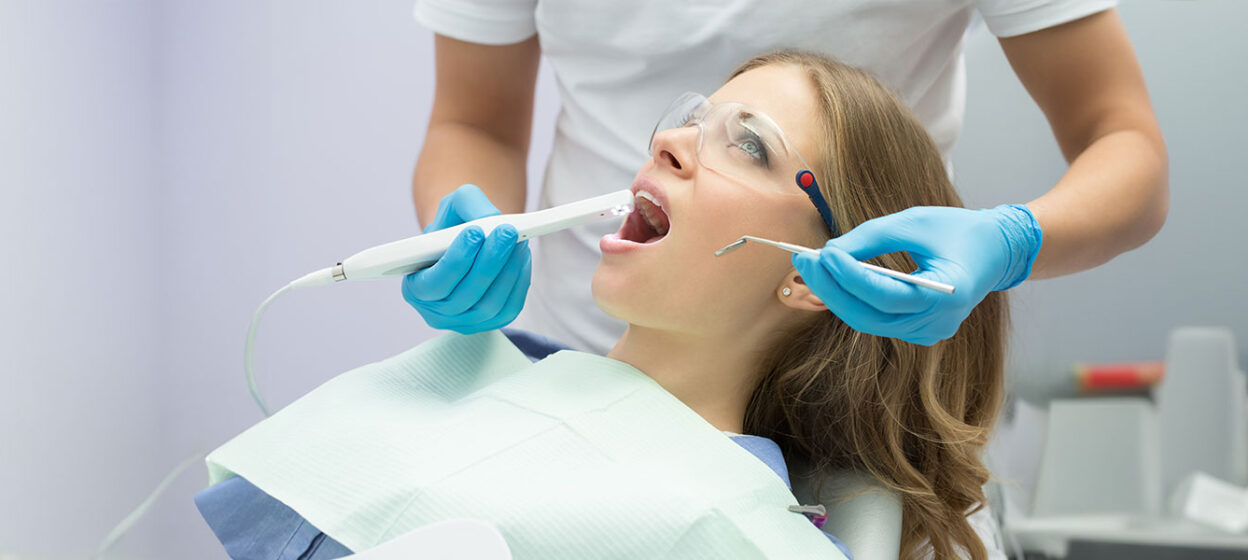
If you’ve ever wondered about the discomfort associated with getting a cavity filled, you’re not alone. Many individuals hesitate to visit the dentist due to fear of hurting while getting a cavity filled. However, understanding the cavity-filling process can alleviate these concerns and ensure a stress-free experience. In this guide, we’ll explore the complexities of cavity fillings and provide insights into minimizing discomfort during treatment.
What Causes Cavities?
Cavities, called dental decay, are caused by oral bacteria-producing acids that break down tooth enamel. Poor oro-dental hygiene, a diet high in sugar, and a genetic predisposition all contribute to the development of cavities. By being proactive and understanding these causes, people can prevent cavities and maintain optimal dental health.
Understanding the Cavity Filling Process: What to Expect
Before undergoing a cavity filling, it’s essential to have a clear understanding of the procedure. The dentist usually numbs the affected area at the start of the procedure by using a local anesthetic. Once the tooth is numb, there will be no question of hurting while getting the cavity filled.
After removing the decayed section, an appropriate material fills the cavity. Effective communication with your dentist throughout the procedure ensures a comfortable and successful outcome.
Numbing Techniques: Minimizing Discomfort During Treatment
Local Anesthesia:
- Local anesthesia is the primary method used by dentists to numb the affected area before a cavity-filling procedure.
- Local anesthesia, administered via injections near the tooth or gum tissue, effectively blocks pain signals from reaching the brain.
- By numbing the targeted area, patients typically experience minimal to no discomfort during the treatment process.
- Dentists may use topical numbing agents beforehand to reduce further discomfort from the injection.
Sedation Dentistry:
- For patients with dental anxiety or heightened sensitivity, sedation dentistry offers additional options to minimize discomfort.
- Nitrous oxide, the laughing gas, is a safe and effective sedative that brings relaxation and calmness during dental procedures.
- Oral sedatives, taken as pills before the appointment, offer deeper relaxation for those with severe anxiety.
- Sedation dentistry helps patients feel more comfortable during cavity-filling procedures, promoting a positive dental experience.
Patient-Centered Approach:
- Effective communication between the San Antonio dentist and the patient minimizes discomfort during treatment.
- Dentists encourage patients to express any concerns or preferences regarding numbing techniques, allowing for a personalized approach.
- By addressing individual needs and tailoring numbing methods accordingly, dentists ensure a comfortable and stress-free experience for every patient.
- Patients are encouraged to communicate freely with theirSan Antonio dentistto create a supportive and reassuring environment during cavity fillings.
Materials Used: Exploring Options for a Comfortable Experience
Patients have options to consider when it comes to tooth fillings in San Antonio. Common filling materials include amalgam (metal) and composite resin (tooth-colored). Each material has advantages and drawbacks, such as durability, aesthetics, and cost. Patient preferences and the location of the cavity may influence the choice of filling material, ensuring a comfortable and aesthetically pleasing outcome.
- Amalgam fillings:
- Durable and long-lasting
- More affordable option
- Visible in the mouth, it may not be suitable for front teeth.
- Composite resin fillings:
- Blend seamlessly with natural tooth color.
- Provide aesthetic benefits
- It may require additional time for placement.
- Amalgam fillings:
Post-Treatment Sensations: Managing Discomfort and Recovery
- After a cavity filling, it’s common to experience some post-treatment sensations as the anesthesia wears off.
- Sensitivity to hot or cold temperatures is normal and should subside within a few days as the tooth adjusts.
- Sometimes, you might feel a bit of discomfort around the treated tooth, especially when eating.
- Taking ibuprofen or acetaminophen can ease this discomfort.
- Stick to soft foods and keep up with gentle oral care to help healing and prevent issues.
- If discomfort persists or gets worse, it’s best to reach out to your dentist for advice.
Potential Discomfort Factors: Addressing Common Concerns
Sensitivity to temperature and pressure is a common concern during cavity fillings. However, modern dental techniques and anesthesia help minimize the hurt while getting a Cavity Filled. Dentists also prioritize patient comfort by addressing anxiety and fear associated with dental visits. Creating a supportive and reassuring environment fosters trust and ensures a positive dental experience for patients.
Dentist’s Role: Ensuring Patient Comfort Throughout the Procedure
Dentists prioritize patient comfort and satisfaction during every dental procedure. To keep you comfortable and provide the best possible outcomes, they use cutting-edge methods and technology. From effective communication to personalized pain management strategies, we are dedicated to providing a stress-free dental experience for our patients in San Antonio.
Conclusion
“Does It Hurt Getting a Cavity Filled?” is a common concern for many individuals. However, with modern numbing techniques and personalized care from your dentist, discomfort during cavity fillings can be minimized. Don’t let fear deter you from essential dental care—reach out to your dentist today to prioritize your oral health and well-being.
Schedule Your Appointment for a Stress-Free Cavity Filling
Don’t let fear of pain prevent you from seeking essential dental care. At Sonrisa Dental, we prioritize your comfort and well-being throughout the cavity-filling process. Please schedule your appointment today to experience our care and superior dental services in San Antonio. To keep your smile looking great for a long time, it’s important to practice proper oral hygiene by going in for regular dental checkups.

Dental implants have become a widely popular solution for replacing missing teeth, offering durability and functionality akin to natural teeth. However, some patients may experience jaw pain after undergoing dental implant surgery. In this inclusive guide, we will dive into the causes of jaw pain post-implant, when to be concerned, and effective solutions to alleviate discomfort and promote healing.
Understanding Dental Implants and the Jaw
Dental implants are revolutionary tooth replacement solutions that integrate seamlessly with the jawbone to provide stability and functionality. Prepared from biocompatible materials like titanium, these artificial tooth roots undergo a process called osseointegration, wherein they fuse with the jawbone. This integration ensures a strong foundation for prosthetic teeth, mimicking the natural tooth structure. By anchoring securely to the jawbone, dental implants offer unparalleled support and durability, enabling patients to enjoy restored chewing ability, improved speech, and enhanced confidence in their smiles. Understanding the symbiotic relationship between dental implants and the jawbone is crucial for appreciating the benefits of this transformative dental procedure.
What Causes Jaw Pain After Dental Implants?
Several factors can contribute to jaw pain after dental implant surgery, including:
- Surgical Trauma:The placement of dental implants involves a surgical procedure that can result in temporary discomfort and inflammation in the surrounding tissues, leading to jaw pain.
- Infection: Infection at the implant site or in the surrounding gums can cause jaw pain after dental implant surgery. If not properly managed, bacterial growth may lead to inflammation and discomfort.
- Nerve Damage: During the implant placement process, nerves in the jaw area may sustain damage, resulting in post-operative pain or discomfort that may persist until the nerves heal.
- Poor Bone Quality: Inadequate bone density or quality in the jaw can impact the stability of dental implants, potentially leading to complications such as implant failure or discomfort.
- Overloading: Excessive pressure or force exerted on the dental implants, particularly during the initial healing phase, can cause strain on the jawbone and surrounding tissues, resulting in pain.
- Bruxism: Teeth grinding or clenching, known as bruxism, can exert enormous pressure on dental implants, leading to jaw pain, implant damage, or even implant failure over time.
- Malocclusion: Misalignment of the teeth, jaws, or dental implants can create uneven bite forces, contributing to jaw pain and discomfort.
- Allergic Reaction: Rarely, individuals might experience an allergic reaction to materials used in dental implants, resulting in inflammation, discomfort, or jaw pain.
Jaw Pain After Dental Implants: When to Worry?
While some degree of discomfort is normal after dental implant surgery, certain symptoms may indicate a more serious issue. It’s essential to seek prompt dental evaluation if experiencing:
- Persistent Pain: If jaw pain persists beyond the normal healing period following dental implant surgery, it may indicate towards an underlying issue that requires attention. Continuous discomfort that interferes with daily activities warrants evaluation by a dental professional.
- Swelling and Redness: Excessive swelling or redness around the implant site, accompanied by persistent pain, can be indicative of an infection or inflammation. Any signs of inflammation should prompt immediate assessment by a dentist to prevent further complications.
- Difficulty Eating or Speaking: Difficulty chewing, swallowing, or speaking due to jaw pain after dental implant surgery should not be ignored. These symptoms may indicate complications such as implant failure, nerve damage, or improper healing that require prompt intervention.
- Bleeding or Pus Discharge: Any bleeding or discharge of pus from the implant site is a concerning sign that may indicate infection. If left untreated, infection can compromise the success of the dental implant and lead to severe complications.
- Loosening of Implants: If you notice any movement or loosening of the dental implants, it could be a sign of implant failure or inadequate osseointegration. This calls for immediate attention from a dental professional to avoid the damage ahead and ensure the long-term success of the implants.
- Fever and Malaise: Systemic symptoms such as fever, chills, or general malaise accompanying jaw pain after dental implant surgery may indicate a systemic infection. These symptoms should not be ignored and warrant urgent evaluation by a dentist to prevent complications.
How Long Does Jaw Pain Last After Dental Work?
The duration of jaw pain after dental implant surgery varies depending on several factors, including:
- Individual healing process: Each patient’s healing timeline differs, with some experiencing faster recovery than others.
- Extent of surgery: Complex implant procedures may require more extended recovery periods.
- Pre-existing conditions: Patients with underlying health issues may experience prolonged discomfort.
- Adherence to post-operative care: Following post-operative instructions provided by the dental team can expedite healing and minimize pain.
Generally, mild to moderate jaw pain typically resolves within a few days to a couple of weeks after dental implant surgery. However, if pain persists or worsens over time, it is crucial to talk to a dentist for further evaluation.
Solutions
Effective management of jaw pain after dental implant surgery involves a combination of self-care strategies and professional intervention:
- Pain medication: Over-the-counter pain-relieving medicines such as ibuprofen or acetaminophen can help ease low to moderate discomfort.
- Ice packs: Using ice packs on the concerned area can reduce swelling and numb pain.
- Soft diet: Consuming soft foods and avoiding hard or chewy items can minimize strain on the jaw muscles and promote healing.
- Maintaining oral hygiene: Proper oral care, including gentle brushing and rinsing with salt water, helps prevent infection and promotes healing.
- Follow-up appointments: Regular follow-up visits with a dental clinic near you allow for monitoring of implant healing and prompt detection of any complications.
- Adjustment of prosthetic teeth: If misalignment or discomfort persists, the dentist may adjust the prosthetic teeth to ensure proper fit and function.
- Stress management: Practices like relaxation techniques or stress-reducing activities can help alleviate bruxism-related jaw pain.
Conclusion
Experiencing jaw pain after dental implant surgery can be concerning, but with proper understanding and proactive management, it’s often manageable. By recognizing the potential causes of jaw pain, knowing when to seek professional help, and implementing effective solutions, patients can navigate the post-implant recovery process with confidence and achieve optimal oral health outcomes.
Take Control of Your Jaw Health Today!
Are you experiencing persistent jaw pain after dental implants in San Antonio? Don’t suffer in silence. Contact Sonrisa Dental now to schedule an appointment and get the relief you deserve. Our highly experienced team is here to address your concerns, diagnose any underlying issues, and provide personalized treatment solutions tailored to your needs. Regain comfort and confidence in your smile – book your consultation today!

Achieving a bright, white smile is a common desire for many individuals. However, those with dental fillings might wonder how teeth whitening treatments will affect their restorations and overall smile. If you’re contemplating teeth whitening but are concerned about the presence of fillings, you’re not alone. This comprehensive guide explores the considerations and options available for safely and effectively whitening teeth with fillings, ensuring you can achieve your cosmetic goals without compromising dental health.
Understanding Teeth Whitening with Fillings:
When you have fillings in your teeth, it’s important to approach teeth whitening with caution. Dental fillings, especially those made of amalgam, do not respond to teeth whitening treatments in the same way as natural tooth enamel. This can result in uneven whitening or even damage to the fillings themselves. Before undergoing any whitening treatment, it’s essential to consult with your dentist to ensure the safety and effectiveness of the procedure.
Impact of Whitening on Fillings
First and foremost, it’s important to recognize that conventional teeth whitening products, including over-the-counter solutions and professional treatments, do not change the color of dental fillings, crowns, veneers, or bridges. These products are designed to lighten the natural enamel of your teeth. As a result, if your natural teeth become whiter but your fillings do not, the fillings may appear more noticeable against your newly brightened smile, particularly if the fillings are in visible locations.
How to Whiten Your Teeth Safely:
If you’re determined to whiten your teeth despite having fillings, there are still safe options available to you. One effective method is professional teeth whitening performed by a dentist. This ensures that the procedure is tailored to your specific needs and takes into consideration any existing dental work. Additionally, at-home whitening kits approved by your dentist can be used safely as long as they are compatible with your fillings.
Evaluating Your Teeth Whitening Options With Fillings
- Consult with Your Dentist: Before pursuing any whitening treatment, a consultation with your dentist is crucial. They can assess the condition and color of your existing fillings and provide personalized advice. Your dentist can also find out any underlying dental issues that need to be addressed beforehand to ensure optimal whitening results.
- Professional Teeth Whitening: Professional whitening performed by a dentist offers a controlled and effective method for brightening your natural teeth. Your dentist can carefully manage the process to achieve the best possible outcome while minimizing any potential impact on your fillings.
- Replacement of Fillings: If your fillings become more noticeable after whitening, replacing them with new fillings that match the updated shade of your teeth is an option. This approach is particularly worth considering for fillings that are old, worn, or due for replacement anyway.
- Home Whitening Kits: While over-the-counter whitening kits are available, their effectiveness can vary, and they offer less control over the whitening process. If you opt for a home kit, choose one approved by dental health organizations and follow the instructions carefully. Be aware that uneven whitening or damage to dental restorations is a potential risk.
- Whitening Toothpaste and Maintenance: For maintaining your whitened smile, whitening toothpaste can be a helpful adjunct. However, it’s important to use these products cautiously, as some can be abrasive and may affect the longevity of your fillings if used excessively.
Considerations for Teeth Whitening:
Before undergoing any teeth whitening procedure, there are several factors to consider, especially if you have fillings. These include the type of fillings you have, the extent of staining on your teeth, and your overall oral health. Your dentist will be able to assess these factors and recommend the best action plan for achieving a whiter smile while maintaining the integrity of your fillings.
If you’re in San Antonio and considering enhancing your smile, consult with a professional specializing in teeth whitening in San Antonio to ensure personalized and effective solutions for your dental needs.
Tips for Maintaining a Bright Smile:
Once you’ve achieved the desired level of whiteness in your teeth, it’s important to take steps to maintain your bright smile. This includes following optimal oral hygiene, refraining from stain-causing foods and drinks, and scheduling regular dental cleanings. By following these tips, you can prolong the results of your teeth whitening treatment and flaunt a radiant smile for years to come.
Conclusion:
Whitening teeth with fillings requires careful consideration and planning to ensure the best possible outcome. By consulting with your dentist and exploring the options available, you can achieve a brighter smile without compromising the appearance or integrity of your dental restorations.
Remember, your smile is one of the first things people notice about you, so why not make it shine? Consult with our dentist in San Antonio today to explore the possibilities of teeth whitening and take the initiative toward a brighter, more confident you.

Introduction: The Importance of Managing Bleeding After Wisdom Tooth Extraction
Whether you’ve recently had your wisdom tooth extracted or you’re planning to undergo the procedure, it’s essential to have a comprehensive understanding of what to expect during the recovery process. One common concern is how long bleeding will persist after wisdom tooth extraction. Here, we will explore this query and offer valuable insights on efficiently handling bleeding.
Understanding the Factors That Affect Bleeding Time
The time it takes for bleeding to stop after wisdom tooth extraction can differ among individuals due to various factors. Some of the key factors that influence bleeding time include:
- Complexity of the Extraction: The more complex the extraction, the longer it may take for the bleeding to subside. If surgical techniques or bone removal were required, your body may take slightly longer to form a blood clot.
- Location of the Wisdom Tooth: The position of the wisdom tooth can affect the amount and duration of bleeding. Wisdom teeth that are fully erupted may result in less bleeding compared to impacted or partially erupted teeth.
- Blood Clotting Ability: Individuals with bleeding disorders or those taking blood-thinning medications may experience prolonged bleeding after tooth extraction. It’s important to inform your dentist about any pre-existing conditions or medications you are taking.
- Aftercare and Oral Hygiene: Following post-extraction care instructions diligently can significantly impact bleeding time. Maintaining proper oral hygiene and avoiding activities that may disrupt the healing process is crucial.
How Long Will It Bleed After Wisdom Tooth Extraction
While every case is unique, most individuals will experience some degree of bleeding after wisdom tooth extraction. Initially, there will be an active oozing of blood, which should gradually decrease over the next 24-48 hours. In general, the bleeding should subside within 24-48 hours, with occasional intermittent bleeding that may persist for up to 72 hours. However, significant bleeding beyond 72 hours is rare and should be promptly addressed by your dentist.
Tips to Minimize Bleeding Time and Promote Healing
To ensure a smooth recovery and minimize bleeding time after wisdom tooth extraction, here are some expert tips to follow:
- Apply Gauze Pressure and Change Regularly
Right after the extraction, your dentist will cover the extraction site with gauze to encourage the formation of a blood clot. Bite down gently on the gauze to apply pressure, and remember to change it as instructed. This pressure helps reduce bleeding and encourages proper clot formation.
- Maintain Proper Oral Hygiene
Maintaining cleanliness at the extraction site is essential for optimal healing and reducing bleeding. Adhere to your dentist’s guidance by rinsing your mouth gently with a warm saltwater solution. Refrain from using mouthwash or alcohol-based products, as they may irritate the wound and impede the healing process.
- Avoid Activities that May Aggravate Bleeding
During the initial stages of recovery, it’s important to avoid activities that may disrupt the blood clot formation or cause excessive bleeding. These activities include vigorous rinsing, spitting, using a straw, smoking, or consuming hot and spicy foods.
- Cold Compress for Reducing Swelling and Bleeding
Using a cold compress on the outer cheek close to the extraction site can aid in reducing swelling and bleeding.
Encase an ice pack with a slim fabric and place it on the affected area for 10-20 minute periods, ensuring a pause in between to prevent extended cold contact.
- Follow the Dentist’s Instructions
Your dental professional will hand you precise guidelines for after-tooth removal care. It’s vital to adhere to these instructions carefully to aid in recovery and reduce the duration of bleeding. Do not overlook any recommended medications, and make sure to keep all subsequent dental visits.
When to Seek Professional Help: Indications of Excessive Bleeding
While some bleeding is normal after wisdom tooth extraction, certain signs may indicate excessive bleeding that requires immediate professional attention. Contact your dentist if you experience any of the following:
- Bleeding that persists for more than 72 hours and does not subside.
- Continuous active bleeding that does not stop even with the application of consistent pressure.
- Formation of a large blood clot that dislodges or falls out unexpectedly.
- Excessive blood loss interfering with your ability to speak, eat, or drink.
- Severe pain or swelling accompanied by excessive bleeding.
- Unexplained or prolonged bleeding while on medications that affect blood clotting.
Dental Services For Your Tooth Extraction Needs
If you’re searching for reliable dental services in San Antonio, look no further than Sonrisa Dental. With our team of seasoned dental professionals, our clinic is committed to delivering top-notch dental services, including safe tooth extraction processes. Whether you require a routine extraction or have complex wisdom teeth, their expertise and compassionate care will ensure a smooth and comfortable experience.
You can trust us for our commitment to optimizing patient outcomes and delivering comprehensive dental services. If you’re experiencing wisdom tooth-related pain or discomfort, schedule a consultation today to determine whether extraction is necessary. With our state-of-the-art facilities and patient-centered approach, we are your go-to dental office in San Antonio.
Conclusion: Quick Recovery and Peace of Mind After Wisdom Tooth Extraction
Managing bleeding effectively after wisdom tooth extraction is key to a comfortable and swift recovery. Following the guidance provided here and seeking specialized care when required can help reduce the time of bleeding and foster a smooth recovery process. Remember, every case is unique, and it’s crucial to adhere to your dentist’s instructions for the best possible outcome.
We offer exceptional tooth extraction in San Antonio you can rely on. Their team of skilled professionals will ensure your experience is as comfortable and stress-free as possible. Don’t let wisdom tooth-related concerns linger; schedule your appointment with us today for peace of mind and optimal oral health.

Have you ever experienced discomfort or sensitivity near a dental crown? Are you wondering why you can feel the edge of your crown? In this article, we will delve into the origins of crown discomfort, home-based remedies for alleviating pain, and the circumstances under which it becomes imperative to seek assistance from a dental professional. Let’s dive in and understand the intricacies of crown discomfort, helping you maintain dental health and enhance your overall well-being.
What is a Dental Crown?
Before we delve into the discomfort associated with dental crowns, let’s first understand what a dental crown is. A dental crown/cap serves as a tooth-like covering positioned over a compromised or weakened tooth, aiming to reinstate its shape, size, strength, and aesthetic attributes. It encases the tooth entirely, extending from the gumline to the biting surface. Dental crowns are frequently employed to shield and reinforce teeth that have received root canal therapy, contain large restorations, or are extensively decayed or broken. If you’re seeking reliable dental crowns in San Antonio, our experienced team is here to provide quality care and tailored solutions for your oral health needs.
Common Reasons for Crown Discomfort
A. Improper Fit
One of the most common reasons for crown discomfort is an improper fit. Improperly fitted dental crowns might cause irritation, heightened sensitivity, and, in extreme cases, pain. An ill-fitting crown can create gaps between the crown and the tooth, allowing bacteria to accumulate and potentially lead to infection. Additionally, an improperly fitted crown can cause uneven pressure distribution while biting or chewing, resulting in discomfort. If you feel the edge of your crown, it might indicate that the crown is not properly contoured to blend seamlessly with your natural tooth.
B. Nerve Sensitivity
Installing a dental crown entails the elimination of part of the tooth’s structure, encompassing the enamel, dentin, and occasionally the interior nerve. While nerve removal is necessary to accommodate the crown, it can leave the tooth sensitive. The exposed dentin may react to temperature changes or certain foods, causing discomfort. It is not uncommon to feel the edge of your crown due to increased sensitivity around the gumline.
C. Biting Issues
An uneven bite can lead to crown discomfort. When a dental crown is not aligned properly with the opposing tooth during biting or chewing, it can result in excessive force on the crown, leading to localized discomfort or pain. This misalignment can strain the surrounding teeth and gums, causing distress. If you notice discomfort primarily when biting down or chewing, it could indicate an issue with your crown’s alignment.
How to Address Crown Discomfort at Home
If you’re experiencing crown discomfort, there are several steps you can take at home to alleviate the pain. Here are some effective home remedies:
A. Over-the-Counter Pain Relief
To alleviate crown discomfort, consider over-the-counter pain relief options like ibuprofen or acetaminophen. Make certain that you adhere to the prescribed dosages and consult with your healthcare provider, particularly if you have underlying medical conditions.
B. Saltwater Rinse
To alleviate any irritation from your temporary dental crown, mix a teaspoon of salt into a cup of warm water. Swish the solution around your mouth for precisely 30 seconds and expel it. This method effectively reduces inflammation and eliminates bacteria contributing to your discomfort.
C. Avoiding Sticky or Hard Foods
To reduce any discomfort associated with your crown, it’s recommended to steer clear of sticky or hard foods that could exert undue pressure on the crown. Opt for softer foods that require less force when chewing, allowing your mouth to heal and the discomfort to subside.
Seeking Professional Help: When to Visit Your Dentist
Ensure you schedule a consultation with your dentist if the discomfort around your crown persists or worsens despite attempting various home remedies. Your San Antonio dentist can evaluate your situation and recommend appropriate treatment options. Here are some signs that indicate a visit to your dentist is necessary:
- Severe or persistent pain
- Swelling or redness around the crown
- Difficulty in biting or chewing
- Visible damage or signs of infection
- Discomfort that radiates to other areas of the mouth
Remember, your dentist is the best person to diagnose and address any issues related to your dental crown.
Understanding the Dental Crown Adjustment Process
If you’re experiencing crown discomfort and visit your dentist, they may suggest a crown adjustment. Dental crown adjustment involves making necessary changes to the crown to alleviate discomfort and ensure proper fit and function. Here’s an overview of the process:
A. X-Rays and Evaluation
Your dentist will start by taking X-rays of the affected tooth and the surrounding area to evaluate the condition of the crown and identify any underlying issues. This step helps them gain a comprehensive understanding of your situation and determine the appropriate course of action.
B. Adjustments and Reshaping
Based on the evaluation, your dentist will carefully adjust and reshape the crown to eliminate any high points or irregularities that may be causing the discomfort. They will ensure that the crown sits comfortably and naturally in your mouth, reducing any pressure or irritation.
C. Preventing Future Crown Discomfort
While managing crown discomfort is crucial, it’s equally important to implement preventive actions to avert potential problems. Here are some recommendations to maintain the comfort and longevity of your dental crown:
D. Correct Placement and Fit
To minimize the chances of crown discomfort, it is crucial to have your dental crown placed by an experienced and skilled dentist. A properly fitted crown can significantly reduce the risk of complications and discomfort. Selecting the right dental professional who pays attention to detail and focuses on achieving optimal fit is vital for long-term crown success.
Good Oral Hygiene Practices
Maintaining excellent dental hygiene is crucial for averting discomfort from crowns and preserving dental well-being. Consistent brushing, flossing, and dental visits are vital in spotting and managing problems early. Moreover, employing a soft-bristle brush and gentle toothpaste can safeguard your crown against undue wear, prolonging its lifespan.
Conclusion
Understanding the discomfort associated with dental crowns is crucial for maintaining optimal dental health. Whether it’s an improper fit, nerve sensitivity, or biting issues, crown discomfort can be addressed through various measures. Solutions to alleviate pain and discomfort range from home remedies to seeking professional assistance. Secure the longevity of your dental crown by emphasizing preventive measures and maintaining excellent oral hygiene. For personalized care and effective solutions, visit Sonrisa Dental, your trusted dental clinic in San Antonio.
Remember, if you’re encountering persistent or severe discomfort, it’s best to consult your dentist for a thorough evaluation and appropriate treatment. Your smile merits the utmost care and attention, and addressing any discomfort related to your dental crown is a pivotal stride toward upholding your dental well-being.

Cavities and tooth decay are widespread dental issues impacting people across various age groups. Traditional treatments for these conditions typically include fillings, root canals, and crowns, often necessitating several dental appointments and a considerable amount of time. Recently, there’s been growing interest in the potential of natural remedies to rapidly heal cavities, with some suggesting they could work in as few as two days. In our blog, we’re excited to investigate the validity of these claims and take a deep dive into the innovative realm of treating cavities.
Understanding Cavities
To properly address the topic of cavity healing, it’s crucial to first grasp what cavities are and their formation process. Cavities, or dental caries, arise from tooth decay, a consequence of bacterial activity in the oral environment. These bacteria metabolize sugars and carbohydrates from our diet, resulting in acid production. Over time, these acids can dissolve the tooth enamel and form cavities. Factors such as poor oral hygiene, a high-sugar diet, and genetic susceptibility can contribute to the development of cavities. If left untreated, cavities can progress deeper into the tooth, leading to pain, infection, and even tooth loss.
Conventional Dental Treatments
For quite some time, dental fillings have been the standard solution for treating cavities. This treatment entails the dentist excising the decayed section of the tooth and subsequently filling the cavity with materials like composite resin or amalgam. If decay has penetrated more deeply, a root canal might be needed to eliminate the infected pulp and save the tooth. In advanced cases, procedures like crowns or dental implants are employed to both regain the tooth’s function and enhance its aesthetic. Although these treatments are generally effective, they can necessitate several dental appointments, incur considerable costs, and come with certain risks.
The Promise of Natural Remedies
The growing trend towards natural and holistic health practices has sparked interest in alternative ways to treat cavities. A variety of natural remedies are gaining attention for their potential role in the healing process of cavities. Among these, oil pulling stands out. This technique entails swishing a type of oil, like coconut or sesame, in the mouth for several minutes daily. It’s a practice rooted in traditional health wisdom, now being revisited in contemporary dental care. Proponents claim that this practice can remove bacteria and toxins, thus promoting oral health. Additionally, herbal rinses, mouthwashes, and toothpaste containing ingredients like tea tree oil, neem, or aloe vera have been recommended for their antibacterial and anti-inflammatory properties. Furthermore, remineralization techniques using products containing calcium, phosphates, and fluoride aim to strengthen the tooth enamel and reverse early-stage cavities.
Two-Day Cavity Healing Claims
It’s unlikely to heal cavities in two days. Good oral care takes time. Brush and floss daily, see your dentist regularly, and limit sugary foods. Quick fixes aren’t reliable. Trust the process, be consistent, and your oral health will improve over time. Despite some anecdotal evidence and testimonials supporting these claims, there is limited scientific research on this topic. The few studies available have shown inconclusive results with varying degrees of success. Experts in the dental field remain skeptical about the possibility of such rapid cavity healing due to the complexity and progressive nature of dental decay. While natural remedies may have potential benefits, cautious optimism should be exercised when it comes to rapid cavity healing claims.
Understanding the Limitations
Healing cavities involves addressing the root cause of dental decay and preventing further damage. It is important to note that healing cavities should be seen as a comprehensive approach rather than a quick fix. Early detection through regular dental check-ups, coupled with proper oral hygiene practices, is crucial in preventing cavities from progressing. Your dietary choices also wield considerable influence in cavity prevention. By moderating the intake of sugary and acidic foods and beverages, you contribute to the creation and maintenance of a wholesome oral environment. Natural remedies can be used as supplementary care to promote oral health, but they should not be relied upon solely for cavity healing.
Guidelines for Optimal Cavity Healing
To enhance cavity recovery and prevent future tooth decay, it’s important to embrace a comprehensive oral care strategy. Prioritizing excellent oral hygiene is key: brushing with fluoride toothpaste twice daily, flossing consistently, and using antibacterial mouthwash are crucial steps in removing harmful plaque and bacteria. This not only prevents new cavities but also promotes overall dental health. Frequent dental appointments for examinations and professional cleanings are crucial for the early identification and management of dental problems.
Nourishing your teeth with a diet rich in juicy fruits, fresh vegetables, whole grains, and lean proteins is a fundamental step in ensuring they receive the necessary nutrients for enduring health and vitality. Additionally, minimizing the consumption of foods and drinks high in sugar and acid is key to lowering the risk of developing cavities. Exploring natural dental care options like oil pulling or herbal mouth rinses can be beneficial, but always consult with your dentist first to ensure these practices complement your dental care routine positively and effectively.
Taking Charge of Your Dental Health
Rather than seeking quick fixes for cavity healing, individuals should adopt a proactive approach to oral health. Empowerment and education play key roles in maintaining healthy teeth and gums. By prioritizing oral hygiene, being aware of cavity risk factors, and seeking regular dental care, individuals can take charge of their dental health. Preventive measures such as regular cleaning appointments and early intervention can go a long way in reducing the need for extensive cavity treatments, including dental fillings in San Antonio.
Conclusion
While the idea of healing cavities in 2 days may be intriguing, it is essential to approach these claims with caution. The complexity of dental decay and the progressive nature of cavities make rapid healing unlikely. Natural remedies have their place in promoting oral health, but they should not be viewed as a replacement for proper dental care. Prevention, early detection, and regular dental check-ups remain the cornerstone of cavity management. By prioritizing oral hygiene, following a balanced diet, and seeking professional care, individuals can maintain optimal dental health in the long run—trust Sonrisa Dental for comprehensive and reliable dental care.
FAQs
While there have been claims about healing cavities in 2 days, scientific evidence supporting this notion is limited. Rapid cavity healing is a complex process that requires a holistic approach and should be viewed with caution.

If you’re on a quest for a perfectly aligned smile, you might be familiar with the use of rubber bands in orthodontic treatment. These tiny, unassuming bands play a crucial role in correcting overbites, but the burning question on everyone’s mind is, “How long do you have to wear rubber bands for overbite correction?” In this comprehensive guide, we will delve into the details and provide you with all the insights you need to understand this aspect of orthodontic treatment.
Understanding Overbites
Before we dive into the duration of wearing rubber bands, it’s essential to comprehend what an overbite is. An overbite, often referred to as a malocclusion, happens when the upper teeth protrude significantly over the lower teeth. This type of misalignment can cause several problems, such as challenges with chewing, speech difficulties, and concerns about appearance. To correct overbites, orthodontists often recommend braces and rubber bands.
The Role of Rubber Bands
Rubber bands, also known as elastics, are a vital component of orthodontic treatment, especially when it comes to overbite correction. These small, stretchy bands are usually attached to the braces to exert gentle pressure, guiding the teeth into their ideal positions. When it comes to overbites, rubber bands help in aligning the upper and lower jaws, ultimately achieving a harmonious bite.
How Long Do You Have to Wear Rubber Bands for Overbite?
Wearing rubber bands for overbite correction typically lasts for several months to a year. The exact time varies based on your specific situation. Consistency is key; wear them as directed by your orthodontist, usually 24/7, to see the best results. Remember, it’s a vital part of your beautiful smile journey!
It’s best to consult with an orthodontist in San Antonio for a personalized treatment plan. The duration for wearing rubber bands to correct an overbite can vary depending on the specific case:
- Overbite Severity
The severity of your overbite is a significant factor. Mild overbites might require a shorter duration of treatment, while more pronounced overbites can take longer to correct.
- Compliance
Adherence is crucial in the use of rubber bands for orthodontic treatment. Patients who rigorously stick to their orthodontist’s guidance and consistently wear their elastics as directed can expect quicker outcomes.
- Individual Response
Each person’s body responds differently to orthodontic treatment. Some individuals may experience quicker changes in their bite alignment than others.
- Orthodontic Treatment Plan
Your San Antonio orthodontist will create a personalized treatment for you, which includes an estimate of how long you’ll need to wear rubber bands. This plan takes into account your specific case and the desired outcome.
- Monitoring and Adjustments
Regular check-ups with your orthodontist are crucial. They will evaluate your advancement and, if needed, modify your treatment strategy accordingly.
The Impact of Overbites on Your Smile
Overbites can influence your smile and facial appearance, and they might lead to self-consciousness about your teeth. Beyond aesthetics, overbites can also affect the functionality of your bite, potentially causing problems with eating and speech. Moreover, severe overbites may lead to jaw pain and discomfort.
How Rubber Bands Come to the Rescue
Orthodontists are dental specialists who are well-equipped to address overbites and other alignment issues. In many cases, they recommend braces as a primary treatment option. However, braces alone might not be sufficient for overbite correction. That’s where rubber bands step in.
How Rubber Bands on Braces Work
Rubber bands work by applying continuous pressure to your teeth and jaws. This gentle pressure encourages your teeth to move into their proper positions. When it comes to overbites, they help in aligning your upper and lower jaws to create a healthier bite.
Tips for Effective Overbite Correction
To expedite the process and ensure successful overbite correction, consider the following tips:
- Wear Rubber Bands as Prescribed
Strictly adhere to your orthodontist’s instructions regarding when and how to wear your rubber bands. Neglecting proper oral care during orthodontic treatment can result in extended treatment times.
- Maintain Good Oral Hygiene
Maintaining impeccable oral cleanliness is vital throughout the course of orthodontic therapy. Clean your braces, teeth, and rubber bands regularly to prevent complications.
- Attend Regular Appointments
Do not skip your orthodontic appointments. These visits are essential for tracking progress and making necessary adjustments.
- Be Patient
Overbite correction takes time, and it’s essential to be patient throughout the process. Trust your orthodontist’s expertise and guidance.
Conclusion
In summary, the duration of wearing rubber bands for overbite correction varies from person to person. Factors such as the severity of the overbite, compliance with orthodontist instructions, individual response, the treatment plan, and regular monitoring all play a role in determining how long it will take to achieve a perfectly aligned bite.
For those contemplating overbite correction using rubber bands, it’s advisable to consult with a top orthodontics specialist at Sonrisa Dental in San Antonio. They can provide a customized treatment plan that’s specifically designed to meet your individual requirements. Achieving a beautiful, well-aligned smile is within reach, and with dedication and expert guidance from Sonrisa Dental, a San Antonio dentist’s office, you can attain the results you desire.

A mouth cheek abscess, though a seemingly small concern, can lead to significant oral health issues if left unattended. This blog aims to shed light on the causes, symptoms, and treatment options for early-stage abscesses in the mouth and cheek. Understanding this condition’s nuances is vital, as it can help you seek timely dental care, potentially preventing more severe complications.
Understanding Mouth Cheek Abscesses
What is an abscess?
Before we delve into mouth cheek abscesses, let’s clarify what an abscess is. An abscess constitutes a concentrated accumulation of pus that emerges within bodily tissues as a response to infection, inflammation, or trauma. When it occurs in the mouth or cheek, it can lead to various complications.
Types of mouth cheek abscesses
Buccal Space Abscess: This type of abscess forms in the cheek area and can result from dental infections or facial trauma.
Submandibular Space Abscess: If found beneath the jawbone, this abscess often stems from an infected salivary gland or dental issue.
Sublingual Space Abscess: Located beneath the tongue, this abscess is less common but equally concerning when it occurs.
How do abscesses form in the mouth and cheek?
Abscesses in the mouth cheek generally develop when bacteria enter through an opening, such as a cavity or an injury. The body’s immune response results in the formation of pus, creating a painful and potentially dangerous condition.
Causes of Early Stage Abscess in Mouth Cheek
Dental Decay and Cavities
Dental caries are a leading factor in the development of cheek abscesses in the oral cavity. As decay progresses, it may penetrate deep into the tooth to the pulp, setting the stage for infection that can culminate in an abscess. Neglected cavities are likely to worsen this condition.
Gum Disease
Gum disease, known clinically as periodontal disease, is another potential contributor to the development of abscesses within the cheek tissue. Advancing stages of this condition may give rise to infected pockets within the gum tissue, which can then escalate into abscesses in the adjacent areas.
Trauma or Injury
In some cases, trauma or injury to the mouth cheek area can introduce bacteria, initiating an infection that may culminate in an abscess. This highlights the importance of taking swift action even after minor injuries.
Recognizing Symptoms of an Early Stage Abscess
Persistent Pain and Swelling
An early-stage mouth cheek abscess often presents with persistent and throbbing pain in the affected area. Swelling and redness around the abscess are common signs.
Sensitivity to Hot and Cold
If you notice heightened sensitivity to hot and cold temperatures when consuming food or drinks, it could be indicative of an abscess.
Formation of a Pus-filled Bump
One of the hallmark symptoms is the formation of a pus-filled bump in the mouth cheek. This bump may rupture, leading to an unpleasant taste and relief from pain.
Fever and Malaise
In some cases, an early-stage abscess can lead to systemic symptoms, including fever and a general sense of feeling unwell.
The Importance of Early Detection
Preventing the progression of a mouth cheek abscess is crucial. Early detection allows for timely intervention, potentially minimizing the need for extensive treatments. It also helps safeguard your overall oral health.
Diagnosis of Mouth Cheek Abscess
When you suspect a mouth cheek abscess, it’s essential to consult a San Antonio dentist promptly. Diagnosis typically involves a clinical examination by the dentist, coupled with dental X-rays for a precise evaluation. This helps identify the source and extent of the abscess.
Treatment Options for Early-Stage Abscess
Treatment options for an early-stage mouth cheek abscess aim to eliminate the infection, alleviate pain, and preserve oral health. The approach may include:
Antibiotics for Abscess Management
Antibiotics are often prescribed to control the infection. Completing the full antibiotic course is crucial for effective treatment. Combining antibiotics with other interventions may also be necessary.
Drainage Procedures
In some cases, dentists may perform an incision and drainage (I&D) procedure to eliminate pus buildup and provide pain relief. This procedure is typically performed when the abscess has caused significant discomfort.
Root Canal Therapy for Abscessed Teeth
When the abscess is associated with a tooth infection, root canal therapy may be recommended. This procedure aims to preserve the tooth while treating the abscess and restoring its function and appearance.
Tooth Extraction: A Last Resort
In cases where the tooth is severely compromised and cannot be saved, extraction may be the last resort. It’s important to discuss replacement options with your dentist to maintain oral function and aesthetics.
Aftercare and Recovery
Managing pain and discomfort post-treatment is essential. Follow-up visits with the dentist ensure that the abscess is fully resolved.
Upholding diligent oral hygiene practices is essential in averting subsequent abscess formations and preserving comprehensive dental health.
Prevention Strategies
- Prioritize Dental Hygiene: Brush diligently with fluoride toothpaste twice daily and make flossing an unskippable part of your routine.
- Regular Dental Visits: Keep up with routine dental check-ups and cleanings for early detection and treatment of oral issues.
- Prompt Dental Treatment: Act quickly to get dental cavities and decay treated with fillings or other necessary dental work.
- Gum Care: Stay ahead of gum disease with thorough oral care and routine dental cleanings and procedures like scaling.
- Protect Your Teeth: Minimize the risk of oral injuries by wearing appropriate protective gear during sports and high-risk activities.
- Use Teeth Wisely: Refrain from using your teeth as tools to prevent chips or cracks.
- Balanced Diet for Oral Health: Embrace a diet abundant in fruits, veggies, and calcium, all allies for strong teeth and gums.
- Watch Your Intake: Limit consumption of sugary and acidic consumables to keep tooth decay at bay.
- No Tobacco: Steer clear of tobacco products to minimize the chances of gum disease and related oral complications.
- Hygienic Practices: Engage in safe practices in your personal life to prevent the spread of infections.
Stay vigilant for early signs of dental problems, such as pain, sensitivity, or swelling, and seek prompt dental care if any issues arise.
Conclusion
In conclusion, early detection and treatment of a mouth cheek abscess are pivotal to oral health. Recognizing symptoms, seeking timely dental care, and adhering to treatment recommendations can help you avoid more extensive dental procedures and safeguard your well-being. For those in San Antonio facing urgent dental needs, you’re encouraged to promptly seek out an emergency dentist in the area for professional and immediate care for your oral health issues.

Introduction
Wisdom teeth are the last set of molars to come in. They are also called third molars. They typically start to appear during the late teens or early twenties, but the process can be quite variable from person to person. Understanding the early signs of wisdom teeth coming in is essential for proactive oral health management. In this guide, we’ll explore the various aspects of this natural process, from the initial signs to potential challenges, oral care during the eruption, and the importance of seeking professional advice.
Typical Age of Wisdom Tooth Eruption
The age at which wisdom teeth begin to emerge varies from person to person, but it commonly falls between the ages of 17 and 25. This age range coincides with the transition from adolescence to adulthood, making it a time of change not just physically but also in terms of oral health.
Identifying the Early Signs of Wisdom Teeth Coming In
Recognizing the early signs of wisdom teeth coming in can help individuals take appropriate measures and seek professional advice in a timely manner.
Changes in the Jawline
One of the first noticeable signs is subtle changes in the jawline. Some individuals might feel a slight shift or expansion in the back of the mouth as the wisdom teeth gradually make their way into the oral cavity. This sensation can be a clear indicator that the wisdom teeth are on their way.
Mild Discomfort or Soreness
Many people experience mild discomfort or soreness in the back of the mouth when their wisdom teeth start coming in. This discomfort can be intermittent and might be more pronounced during eating or when pressure is applied to the area.
Gum Sensitivity
Gum sensitivity is another common early sign. The gums around the area where the wisdom teeth are erupting may become slightly red, swollen, or tender. This is a natural response to the teeth’s movement.
Potential Challenges
While wisdom teeth coming in is a natural process, it can sometimes lead to challenges.
Impacted Wisdom Teeth
Sometimes, wisdom teeth lack the room to surface fully. This can lead to them becoming impacted, meaning they don’t emerge correctly through the gums. Impacted wisdom teeth can result in discomfort and inflammation and, if neglected, might cause further dental complications.
Crowding Issues
The arrival of wisdom teeth can sometimes cause crowding in the mouth. This crowding can affect the alignment of existing teeth and might require orthodontic intervention to address.
Oral Care During Eruption
Proper oral care during the eruption of wisdom teeth is crucial to ensure a healthy transition.
Importance of Maintaining Good Oral Hygiene
During this time, top-notch oral care is crucial. Regular brushing and flossing around the emerging wisdom teeth can ward off plaque accumulation and minimize the likelihood of infections.
Proper Brushing and Flossing Techniques
The area around the wisdom teeth can be cleaned well by using a soft-bristled toothbrush and slow, rolling motions while brushing. Additionally, flossing daily, especially around the back molars, helps remove debris and keeps the gums healthy.
Monitoring the Progress
Consistent dental visits are essential to track the emergence of wisdom teeth.
Regular Dental Check-ups
Regular dental appointments enable your dentist to monitor the progress of your wisdom teeth. Early detection of potential problems allows them to recommend the most appropriate measures.
X-rays to Track Wisdom Teeth Development
In certain situations, your dentist might suggest X-rays to obtain a detailed image of the emerging wisdom teeth. It provides a precise evaluation of their alignment and potential complications.
Managing Discomfort
Discomfort during the eruption of wisdom teeth can be managed with a few strategies.
Over-the-Counter Pain Relief
For minor pain, over-the-counter analgesics can provide temporary ease. It’s essential to follow the prescribed dosage and see a healthcare expert if the pain continues.
Home Remedies for Pain and Inflammation
Rinsing with warm salted water or placing a cold compress on the cheek can help reduce inflammation and soothe pain.
When to Consult a Dentist
Certain situations warrant immediate dental attention when it comes to wisdom teeth.
Severe Pain or Swelling
If you experience severe pain or swelling around the wisdom teeth area, it’s crucial to consult a dentist promptly. It could be a sign of infection or other complications.
Signs of Infection
Redness, excessive swelling, persistent pain, and even fever could indicate an infection. These symptoms should not be ignored.
Expert Advice for Individual Cases
Everyone’s dental journey is individual. If you have concerns about your wisdom teeth’s growth or notice any uncommon signs, it’s best to consult a dental expert.
Wisdom Teeth Extraction
In some cases, the extraction of wisdom teeth may be necessary.
Reasons for Extraction
Extraction might be recommended if the wisdom teeth are causing significant pain, are impacted, or if they pose a risk of damaging adjacent teeth or causing alignment issues.
Procedure Overview
The process of wisdom tooth removal in San Antonio is typically performed by an oral surgeon or dentist. It involves numbing the area, carefully removing the tooth, and providing aftercare instructions.
Consulting a Dentist for Personalized Guidance
Consulting a San Antonio dentist for personalized guidance is invaluable. A dental professional from the area can assess your specific situation, provide personalized advice, and recommend the best course of action based on your oral health needs.
Conclusion
Recognizing the initial indicators of emerging wisdom teeth allows individuals to proactively manage their oral health. Recognizing these signs, maintaining good oral hygiene, monitoring progress, and seeking professional advice when needed can lead to a smoother transition and healthier smile.
Sonrisa Dental is a reputable dental practice known for its comprehensive dental care and expertise in oral health. If you’re experiencing any concerns related to wisdom teeth or need professional guidance, consider scheduling a consultation with the experienced team at Sonrisa Dental.